A little background
A few years ago, I attended DevMountain because I wanted to learn how to build iOS apps. Specifically, I had an app idea for my daughter who is autistic. The class went very well and I was able to release 2 apps to the Apple App Store.
That experience led to me teaching iOS app development after my cohort was done. This was a very unique and satisfying experience. DevMountain is about helping those that felt stuck in their current employment situation to gain the education needed to find that career they really wanted. This mission to help people change their lives really resonated with me. When I was approached about potentially designing and teaching a UX curriculum for DevMountain, I jumped at the chance.
Wait, I need to do what?!
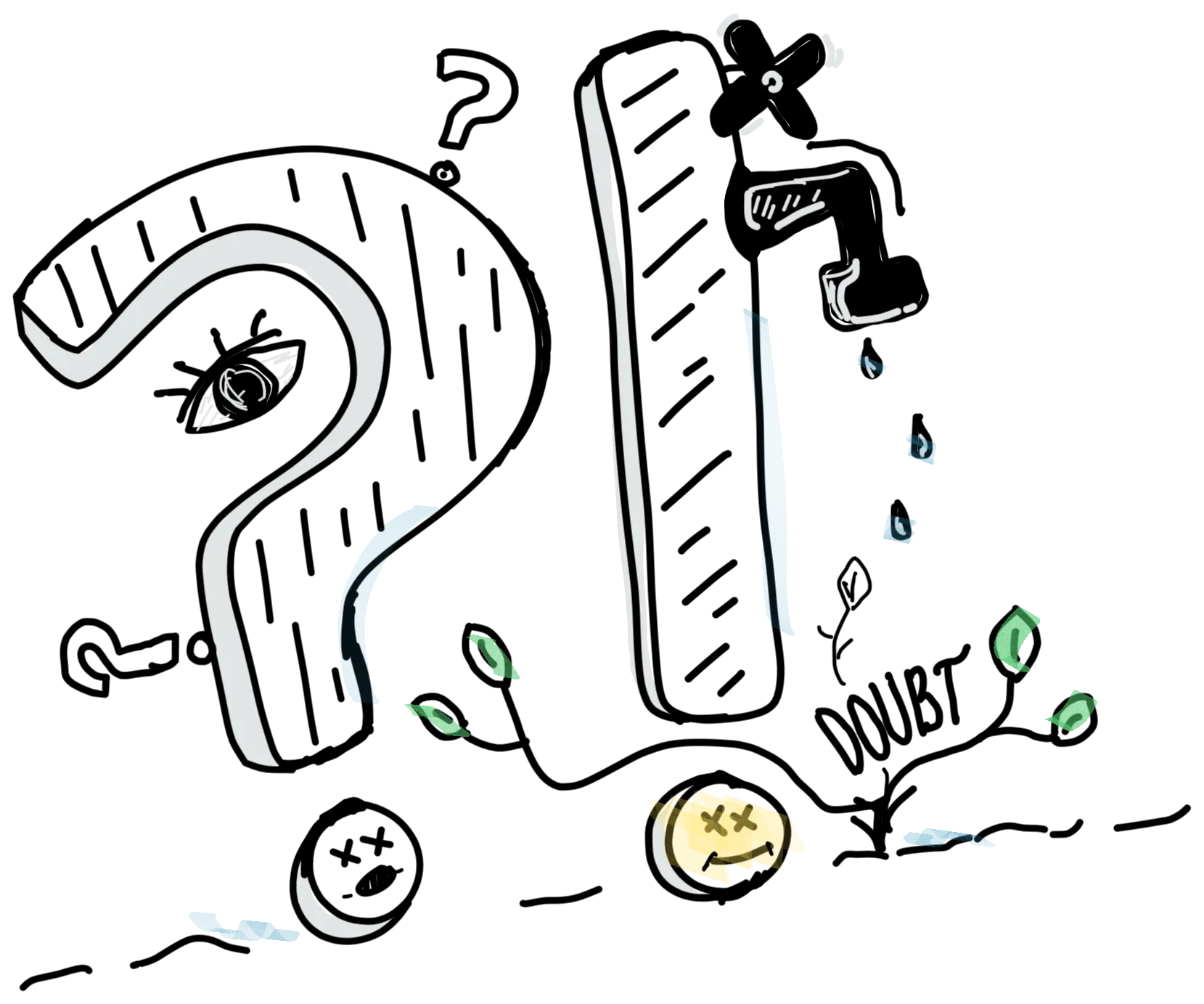
I remember sitting down on my first day and thinking to myself, “What have you done!? How in the world am I going to teach UX?” I was overwhelmed and more than a little terrified. I was completely paralyzed by the daunting task of figuring out what to teach and how to teach it. It wasn’t until I had some conversations with trusted friends and designers that I realized I needed to treat this like any other problem I had been given. I was going to trust my process for solving problems.
“I needed to treat this like any other problem I had been given. I was going to trust my process for solving problems.”
Project process and goals
What does success look like?
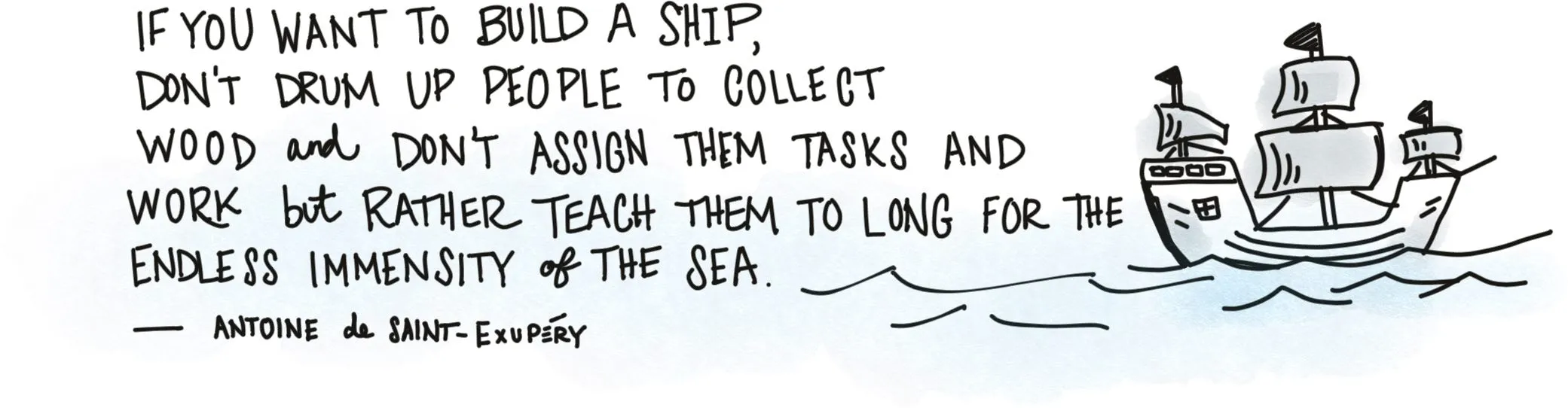
Before even starting to design the curriculum, I decided to define what success would look like. Defining or visualizing success prior to beginning let me work against constraints that would give focus to this project.
I knew this would be successful if the following happened.
1. Create enough content for 13 weeks of instruction
I needed to find a way to design 13 weeks of content, assessments, creative exercises and project work. 13 weeks is barely any time and a seemingly infinite amount of time all at once. Not only did I have to design so I could teach, but also so that others could understand the teaching plan and follow it.
2. Create technically sound content vetted by other industry professionals
The content I put together to teach others needed to be technically sound, and I also wanted it vetted by other industry professionals for accuracy and relevancy. I did not want to create this content in a vacuum without any outside influence.
3. Introduce an “I do, we do, you do” mindset in the classroom
Treating the experience as a mere transaction of knowledge transfer was not going to be enough. In order to become a UX designer, one first has to learn or know what that means, then do the activities, and finally adapt and implement that learning and doing. I adopted an I do, We do, You do program. A student’s typical day would look like: 1. Instruction (I do) 2. Lab (We do) 3. Project work (You do).
4. Form true project teams that worked on real projects
From the onset, I knew that in order for students to be able to apply the principles being taught, they would need to work on real projects in real teams. I brought in organizations both small and large to work with our students. Some of those organizations included The Holocaust Museum in Washington DC.
5. Prepare and train students with other skills such as communication and job seeking
My research showed that students didn’t come to learn UX. The problem they were really trying to solve was to find a career that they really wanted. No one ever came through the program to just learn UX. It was always about learning design to enter employment in a field that they wanted to be in. I knew that helping find jobs for those students that graduated would be one of the most important challenges that I would need to solve.
The student experience
I do, we do, you do
In my time as a student at DevMountain, I had a mentor and instructor who said he followed the “I do, we do, you do” methodology of teaching. This means he would be showing us what to do, we would then do the work together, and then I would be responsible to practice the principles shown and taught.
I felt this was a great way to start thinking about how I wanted to construct my class.
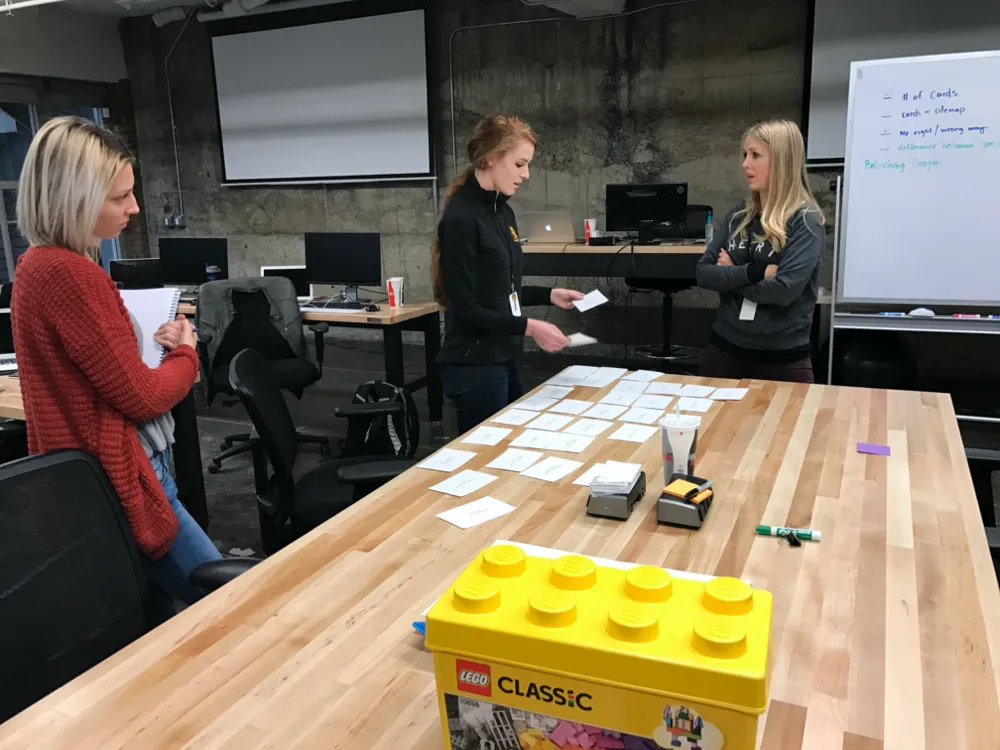
Students conducting a card sorting exercise to understand how people view, organize and label information. “We do”
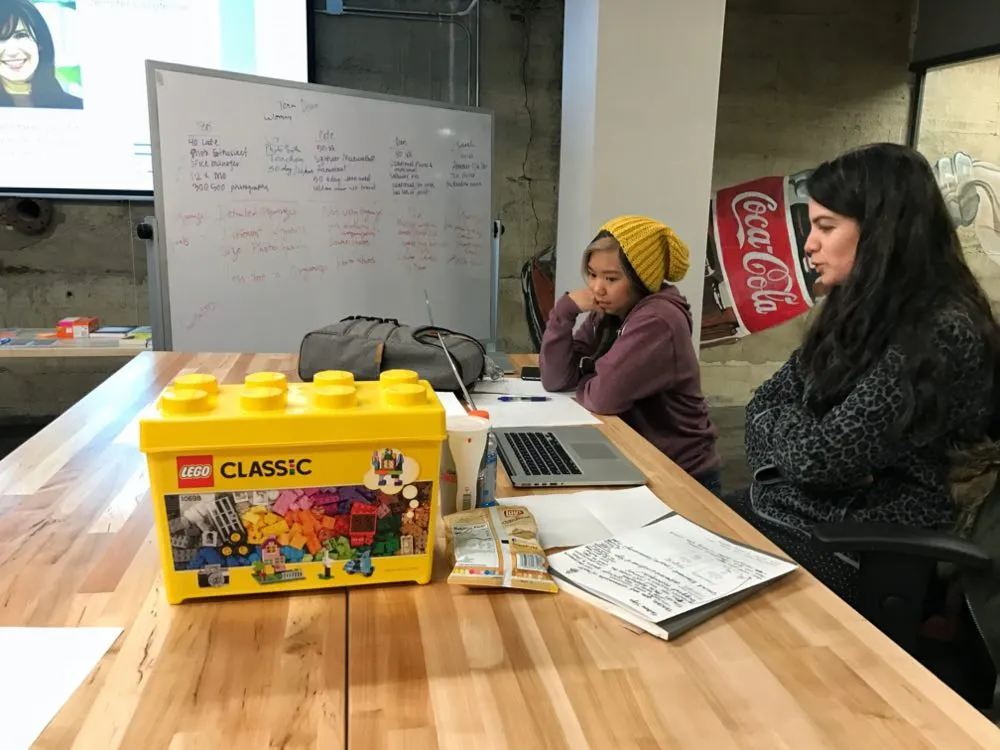
A large part of the classroom experience was working in teams to complete labs after lecture. “We do”
A typical day
Each day the class would start off with a creative exercise. This was intended to get them warmed up. We did everything from creating emoji songs (ask me about this) to pen and paper sketching to Lego exercises.
After the creative exercise we jumped right into lecture. Either myself or other designers and instructors that I would bring in would teach the principles for the day. The list of subject matter that needed to be covered was extensive.
After a short break and following the lecture was lab time. This was the we do aspect of the class. Mentors and instructors would hand out a short project and work with the students to complete it. We did all this before lunch. 😜
After lunch the students assembled into their teams and began their project work. This gave them valuable experience working on a team and also reinforced the principles taught during the day.
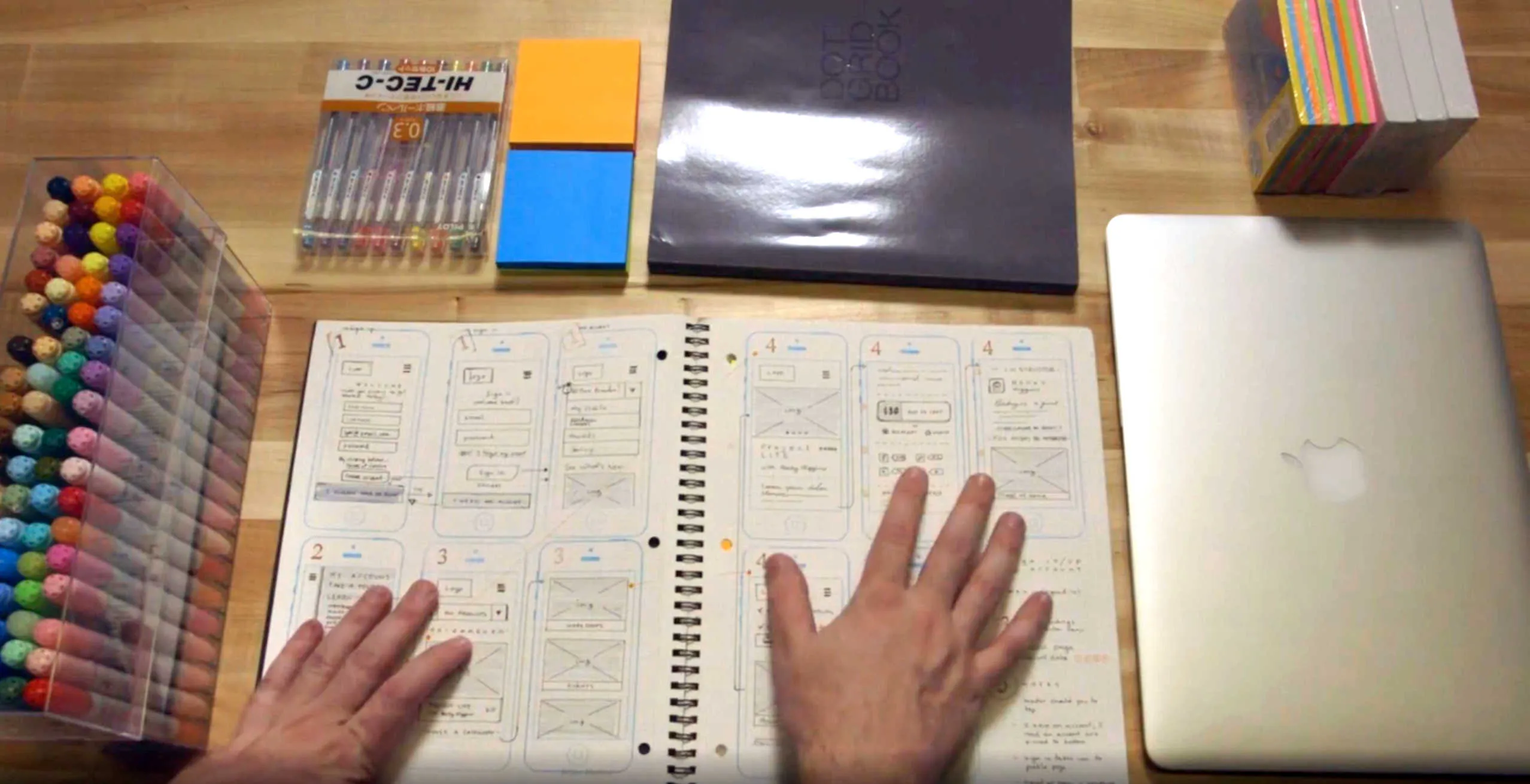
Using this format the students generated hundreds of sketches and post-it notes, thousands of Sketch artboards, and finished their cohort with 3 portfolio-worthy projects that they could present to potential employers.
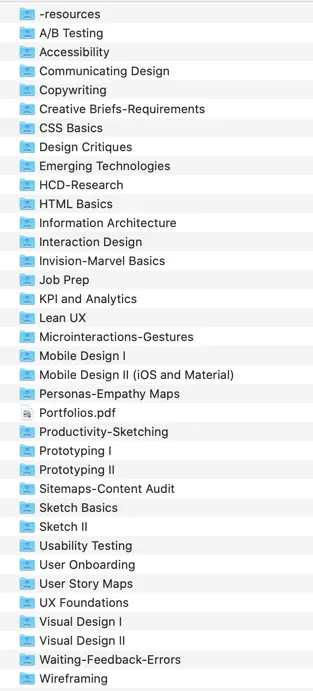
All the information that needed to be covered in 13 weeks. Yikes!
Outcomes
- Graduation rate98%
- Graduate hire rate~71%
- Immersive cohorts6
- Afterhours cohorts8
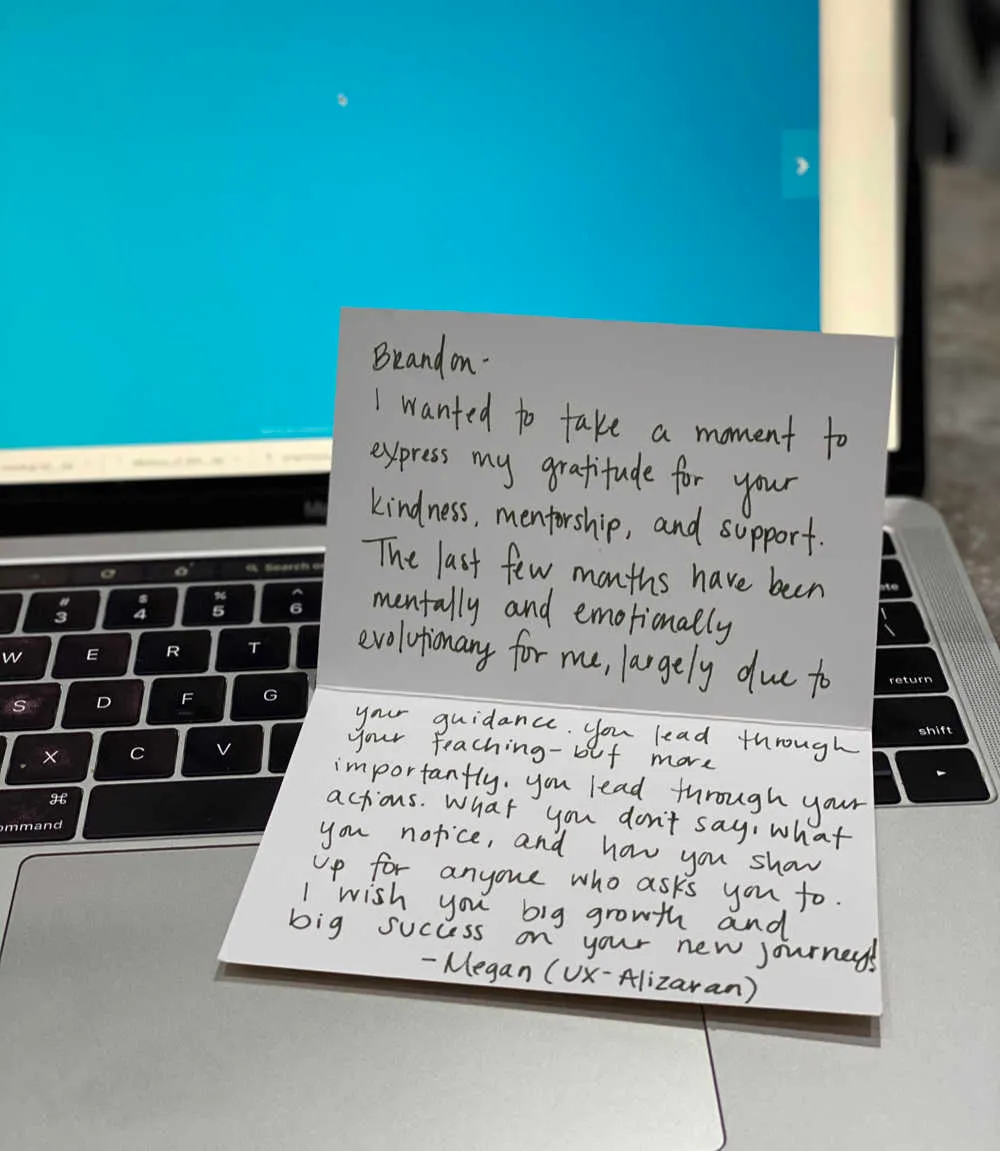
My time at DevMountain was an amazing experience. I grew so much as a designer and person by the interactions I had with the students. There is so much more to this story that I haven’t told. I will forever be grateful to those that trusted me enough to come and participate in the UX program at DevMountain.
Together we showed what hard work, teamwork and design can do to change the world.